Structural Integration
Rolfing® in Basel
Rolfing® helps you free your body from old patterns and chronic tension.
Rolfing® (Structural Integration) is more than just a massage. It is a targeted realignment of your body through professional fascial work. My goal in Basel is to restore your body to its natural, upright alignment—so movement finally feels effortless again.
Through manual work on fascial tissue, tension, adhesions, and movement restrictions can be reduced. These often result from:
- Everyday stress
- Previous Injuries & Trauma
- Postural Imbalances & Sedentary Work
- Lack of Movement
Rolfing® helps the body reorganize itself, leading to lasting improvements in posture, mobility, and body awareness.
Move Pain-Free Again with Rolfing®
Rolfing® goes beyond superficial relaxation. It is the method of choice for:
- Chronic Muscle Tension (Neck, Shoulders, Back)
- Poor Posture from prolonged sitting at a desk
- Restricted Mobility after injury
- Stress-Induced Tension throughout the Body
Rolfing® enables many to achieve noticeably improved posture, greater flexibility, and a newfound sense of physical freedom every day. Rather than offering quick, temporary relief, it targets long-term structural change.
What to Expect During Your Rolfing® Session
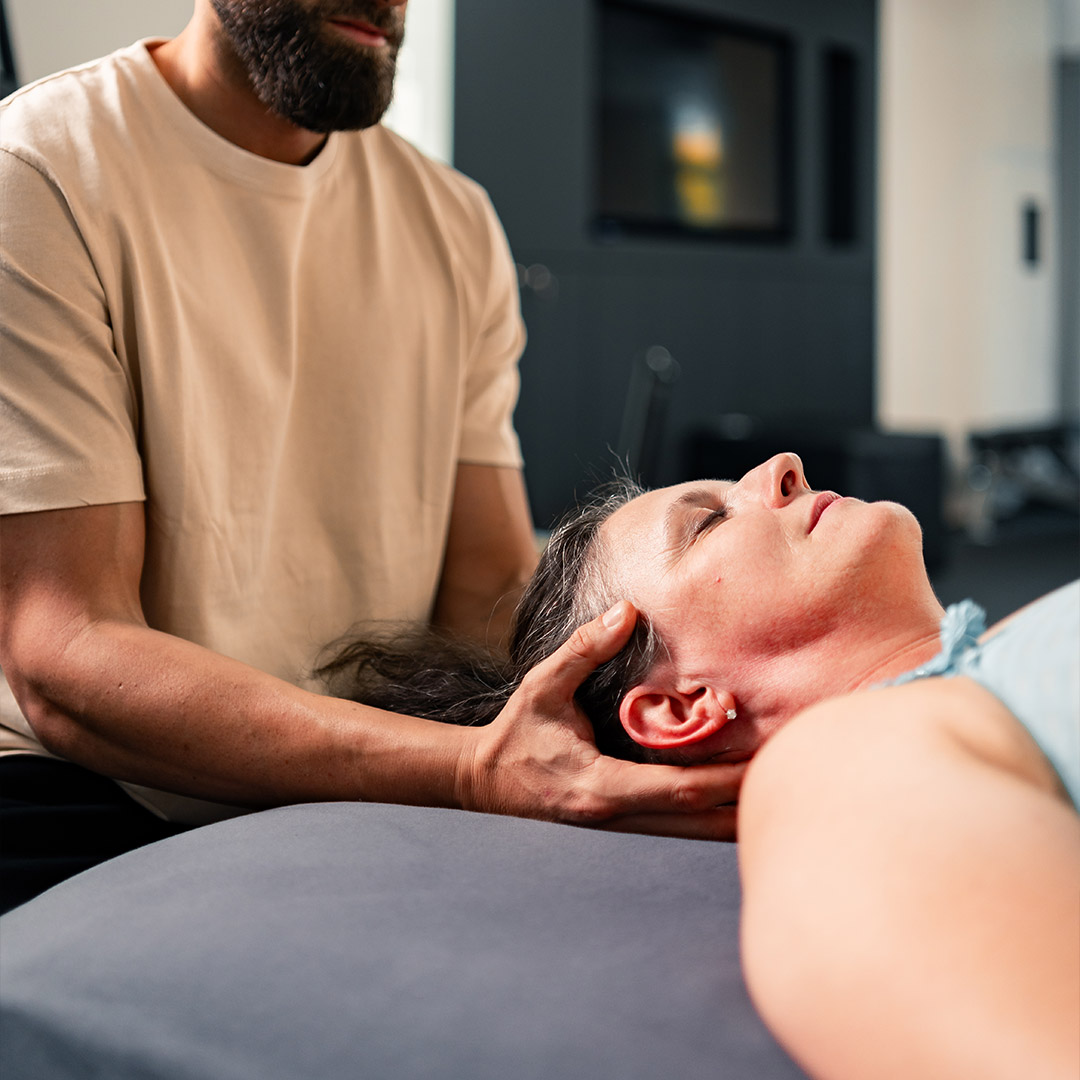
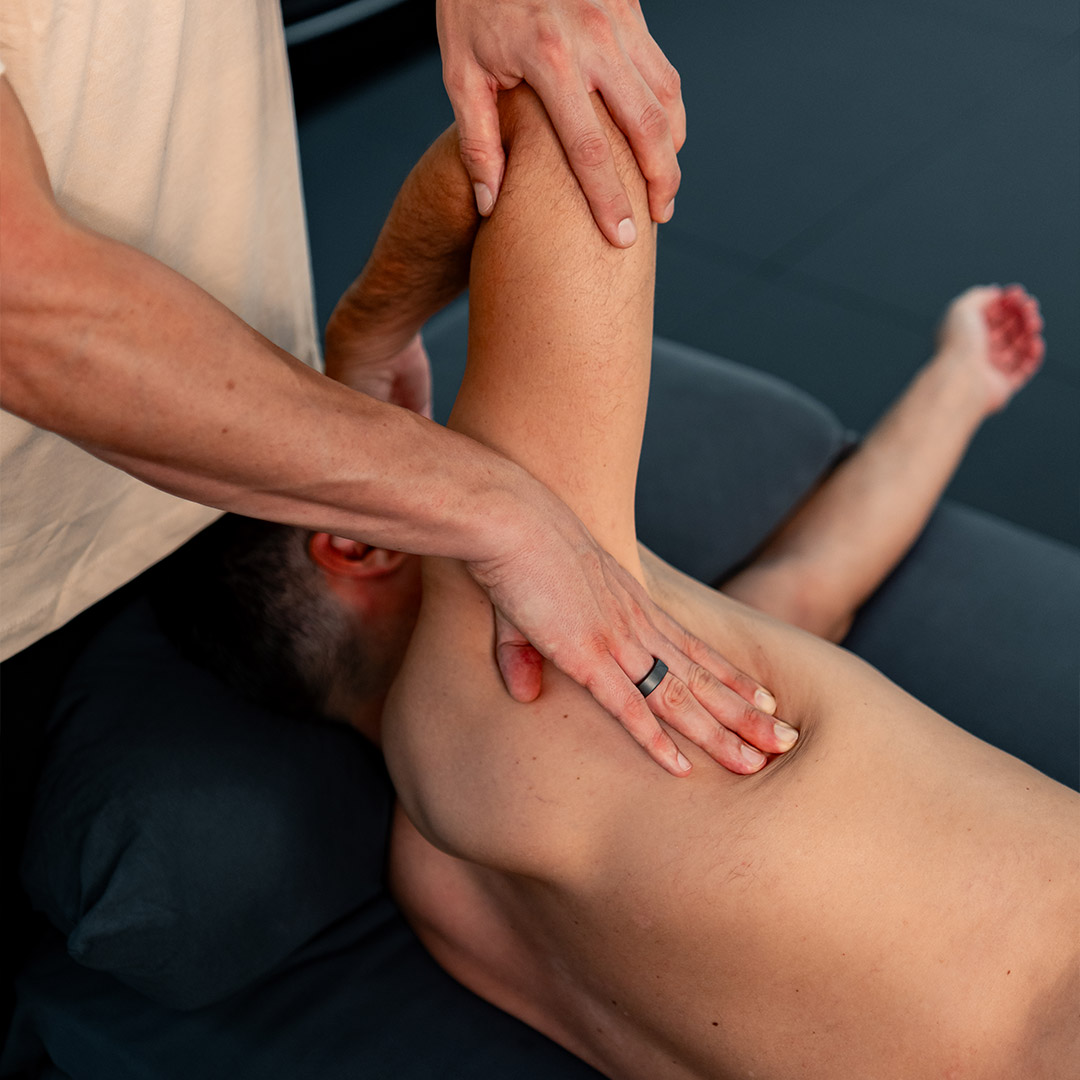
We start every session by looking at your posture and how you move. This quick assessment reveals how your body organizes itself, allowing me to customize the treatment to your specific needs. You will then lie down comfortably while I apply precise, deep manual touch to your fascia. This releases deep-seated tension and guides your body toward natural balance.
Throughout the treatment, you might feel instant changes in your body, often experiencing a newfound sense of lightness and freedom in your movement. Following the session, we focus on incorporating these movement patterns into your day-to-day routine and expanding your body awareness for lasting results.
Fascia & Rolfing® – Why Connective Tissue Is Key
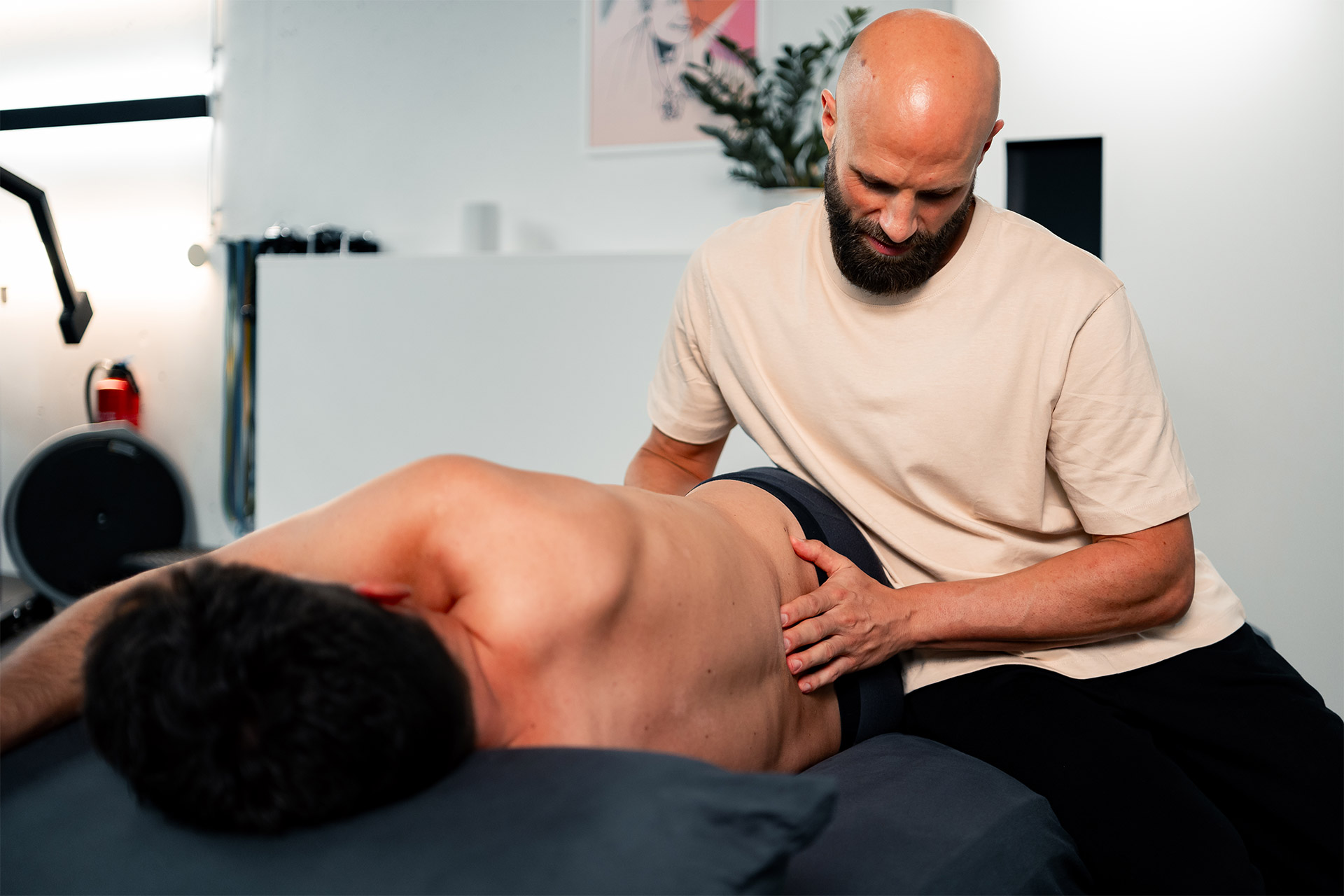
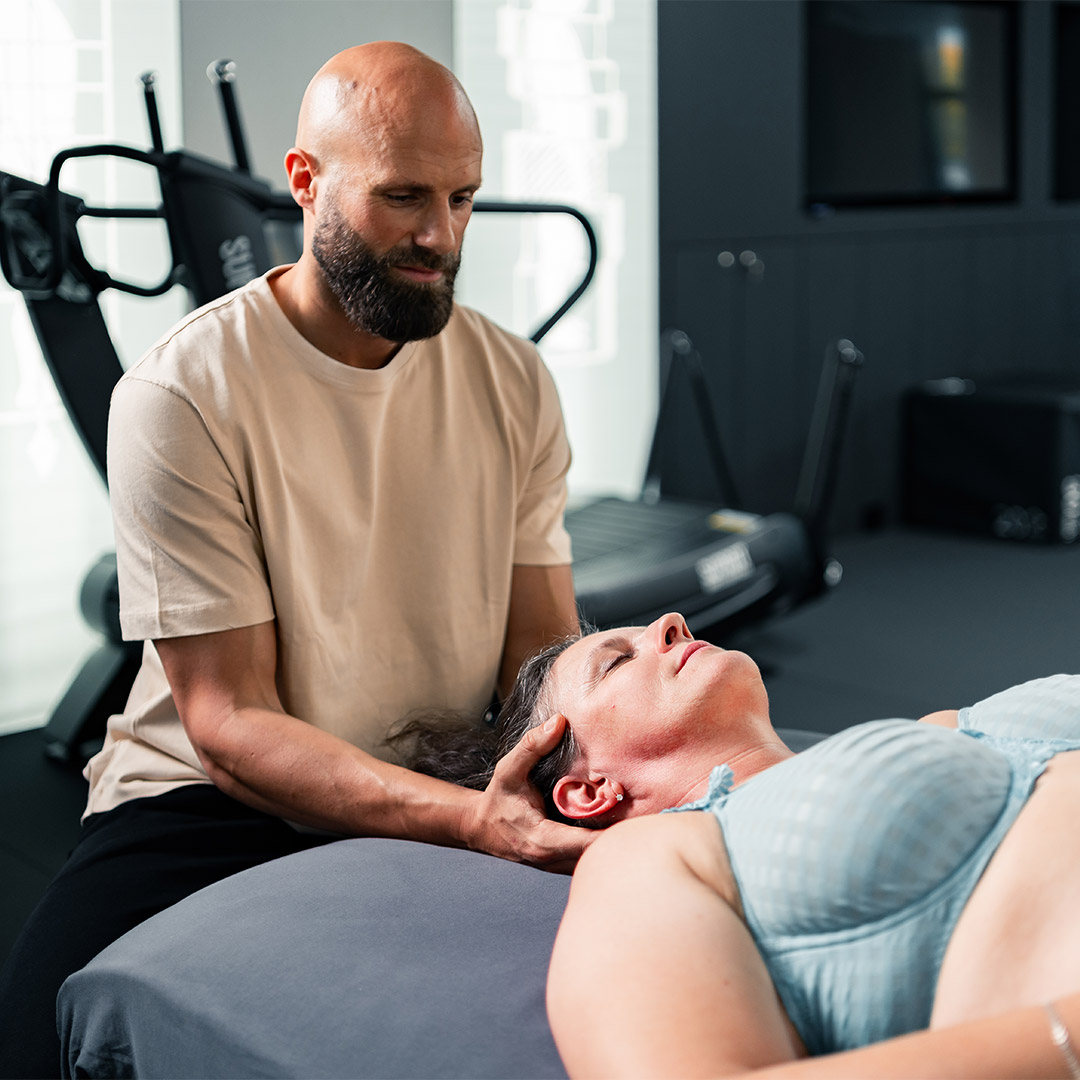
Fascia is a subtle but vital connective tissue web spanning your whole body. Surrounding muscles and joining tissues, it allows your body to move in complete harmony. Picture fascia as an internal dynamic matrix—delivering structure and fluid movement simultaneously.
How Stress & Strain Impact Your Fascia
Chronic stress, poor posture, lack of movement, physical injuries, and emotional stress all affect the health of your fascia.
Over time, the tissue hardens, tightens, and loses its ability to glide smoothly—frequently leading to:
- Back Pain
- Neck Pain
- Headaches
- Joint Discomfort
- Restricted Mobility
Rolfing® addresses these exact issues by targeting and reshaping your body’s chronic tension patterns.
Rolfing® in a Serene, Modern Setting
Our space is thoughtfully created to help you tune into your body—without distractions, within a warm and professional setting.
This is more than a treatment; it is a holistic journey involving:
- Bodywork
- Body Awareness
- Posture
- Movement
I will guide you individually on your journey to freer movement, less pain, and a stronger connection to your body.
Frequently Asked Questions – Everything You Need to Know About Rolfing® Structural Integration
Find clear answers to your questions regarding Rolfing® Structural Integration, treatment benefits, costs, and Swiss health insurance coverage at Studio Hand und Fuss in Basel.
How much does a session cost?
First Session: CHF 225 (75 minutes) - includes a detailed health history / anamnesis and posture analysis. Follow-up Sessions: CHF 180 (60 minutes).
How long does a Rolfing® session last?
Follow-up sessions typically last 60 minutes, while your first visit takes 75 minutes to include a thorough health history and postural assessment. Because every session is individually adapted to your body and current situation, the duration may vary slightly depending on your specific focus and goals.
How often should the sessions take place?
Ideally, sessions take place every 1 to 3 weeks. This rhythm gives your body enough time to integrate the structural changes while maintaining the momentum of the process. In acute situations or towards the end of a series, intervals can be adjusted individually.
Does Rolfing® hurt?
No, Rolfing® should not be painful. While you may experience intense sensations or a 'satisfying depth' as chronic tension releases, the touch is always precise, respectful, and adapted to your tissue response. Communication is key—we always work within your comfort zone.
Does the impact of a Rolfing® series last long-term?
Yes, because Rolfing® is an educational process, not just a passive treatment. By releasing chronic fascial strain and improving your body awareness, you learn how to move, sit, and walk with greater ease. These updated movement habits prevent you from slipping back into old patterns of tension.
Does Swiss health insurance cover Rolfing®?
Yes, Rolfing® is recognized by most Swiss complementary health insurance plans (Zusatzversicherung). As a certified therapist registered with EMR (RME) and ASCA, my services are eligible for reimbursement under the appropriate supplementary insurance. Because coverage varies depending on your specific provider and policy, we recommend checking directly with your insurer prior to your first session.
When should Rolfing® NOT be used? (Contraindications)
Rolfing® is a gentle yet deep manual therapy, but it is not suitable for everyone. Treatment should be avoided during acute infections, fever, active cancer therapy, blood clotting disorders, severe osteoporosis, or early pregnancy. For conditions like varicose veins, recent surgeries, or autoimmune flare-ups, sessions can often be modified safely. If you are unsure whether Rolfing® is right for your health situation, please check with your doctor prior to booking.
Ready for a new connection to your body?
Book your session in the heart of Basel now and take the first step toward better posture.